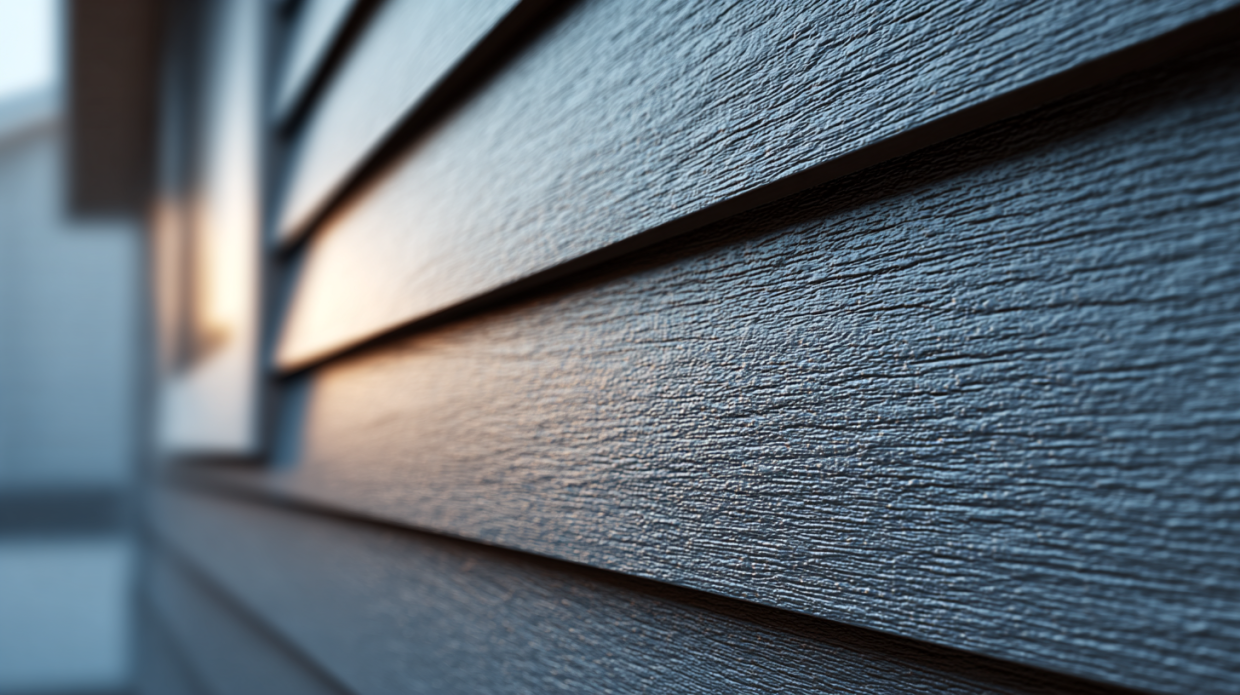
Let’s Talk About Siding Thickness. Yes, It Really Does Matter.
One of the most common questions we get from homeowners is this:
“How thick should my siding be?”
It usually comes up after someone notices their vinyl siding looks warped or wavy. Sometimes a few panels are cracking, or worse, blowing off during a windstorm. If you’re in Bridgeville or anywhere nearby, this isn’t just a cosmetic issue. Our weather puts your siding through the wringer.
Maybe you’re asking yourself, “Is vinyl siding even good for my home?”
Short answer: it can be. But it depends on what you choose and how it’s installed.
This post breaks it down in plain English. No jargon. No pressure. Just practical info so you can make a smart call for your home.
What You’ll Learn:
- What siding thickness actually means and why it matters
- What counts as “too thin” for this region
- The difference between builder-grade and premium-grade siding
- What you should know before replacing or upgrading
- How New Look Exteriors helps homeowners make the right call, without the sales pitch
Want to skip the research and talk it through? Book your inspection with New Look Exteriors.

What Does “Siding Thickness” Mean, Anyway?
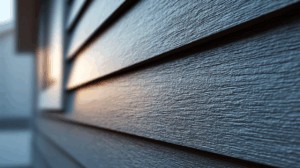
Vinyl siding thickness is measured in thousandths of an inch. You’ll often see it written as mils. And while it sounds like a small detail, it’s not.
Here’s a simple chart to give you a baseline:
| Grade | Thickness | What It’s Good For |
| Builder Grade | 0.035″ to 0.040″ | Cheap, short-term siding |
| Standard Grade | 0.042″ to 0.044″ | Decent for basic replacement |
| Premium Grade | 0.046″ and up | Long-term use, better value |
In short, thicker siding holds up better. It resists dents, waves, and temperature stress. It also just looks better on the house.
Why This Matters More in Bridgeville
We see a mix of weather here. Cold, wet winters. Windy springs. Humid summers. And those freeze-thaw cycles? They don’t play nice with thin siding.
If you live in Bridgeville or the Delmarva region, we recommend siding that’s at least 0.044 inches thick. Anything less, and you’re more likely to deal with cracks, warping, or worse after just a few seasons.
Before You Start: What You Should Know First
1. Think About the Full Cost, Not Just the Price Tag
Sure, thinner siding will cost less up front. But it usually doesn’t last as long. You might save a little now and end up paying more later.
2. Yes, You’ll Probably Need a Permit
Most towns around Bridgeville require a permit for siding projects. It’s not a big deal. We help with that when we handle your install.
3. HOAs Can Have Rules About What You Use
If you’re in an HOA, you’ll want to check any restrictions on siding style, color, or finish. Some neighborhoods are pretty strict.
4. Not All Vinyl Is Created Equal
There’s good vinyl and bad vinyl. We only use products that meet or exceed VSI (Vinyl Siding Institute) standards. That means better warranties and fewer headaches down the road.
So, How Thick Should Your Siding Be?
It depends on your house, your plans, and how long you want the siding to last. Here’s how we break it down.
Standard vs. Premium Siding
| Feature | Standard Grade (0.042″–0.044″) | Premium Grade (0.046″+) |
| Wind Resistance | Up to 110 mph | 140+ mph |
| Looks Over Time | Can warp or wave | Holds shape |
| Dent Resistance | Fair | Strong |
| Lifespan | 15–20 years | 30+ years |
| Best Fit For | Rentals or budget-conscious upgrades | Long-term homes, resale value |
Quick Case Example: A Ranch Home in Bridgeville
We replaced the siding on a mid-century ranch that had builder-grade panels from the ’90s. The panels were thin and had warped over time. South-facing walls looked especially rough. We upgraded to 0.046-inch premium vinyl with foam backing. The homeowners noticed better insulation immediately, and the curb appeal jumped overnight.
Why Going Thicker Pays Off
Here’s why we typically steer homeowners toward premium-grade vinyl siding.
It Holds Up in Bad Weather
Thicker siding doesn’t get ripped off as easily in strong winds. It won’t crack from ice buildup or melt under direct summer sun.
It Looks Better and Lasts Longer
Thicker panels stay straighter, especially on older homes where the walls may not be perfectly flat. That makes a big difference after five or ten years.
It Can Help Cut Energy Bills
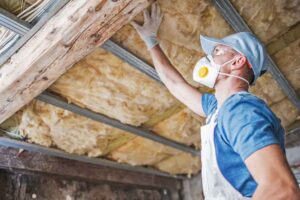
Thicker siding means you can add foam board behind it. That creates a thermal break that helps keep hot air out in the summer and warm air in during the winter. Combine that with attic insulation like our Owens Corning AttiCat system and you’ll notice a difference.
You Get Better Warranty Coverage
We install Alside siding. Their premium products come with a lifetime material warranty and color fade protection. We also back it up with our 10-Year Workmanship Warranty.
Vinyl Siding Questions Homeowners in Bridgeville Are Asking
If you’re comparing siding options for your home, you’re probably juggling questions about cost, durability, permits, and whether vinyl siding makes sense in our local climate. Below are the most common questions we hear from Bridgeville homeowners, answered clearly and without the sales pitch.
How thick should my siding be?
Your siding should be at least 0.044 inches thick for Bridgeville homes. This thickness holds up better to local wind, cold, and temperature swings, and it resists warping much more effectively than builder-grade siding.
Is vinyl siding good for my home?
Vinyl siding is a good choice for your home if you want durability, low maintenance, and value. It’s especially practical in Bridgeville’s mixed climate and performs well when installed correctly with quality materials.
What’s the average cost of vinyl siding?
The average cost of vinyl siding installation is around $875 per square. Your final cost depends on your home’s size, the siding thickness, added insulation, and trim details.
Can thicker siding improve energy efficiency?
Thicker vinyl siding can improve energy efficiency when paired with foam backer insulation. While vinyl alone isn’t a major insulator, thicker siding allows for insulation that reduces heat loss and air infiltration.
Do I need a permit to replace siding in Bridgeville?
Yes, you will likely need a permit to replace your siding in Bridgeville. Most municipalities in the area require a basic building permit for exterior work, and we help you take care of the paperwork as part of our process.
Do you offer vinyl siding repairs?
Yes, we offer vinyl siding repairs for damaged or aging sections. Whether it’s from wind, poor installation, or age, we can often match and fix problem areas without a full replacement.
What brands of siding do you install?
We install Alside vinyl siding and Evolve Stone veneer products. Alside offers certified vinyl siding with fade-resistant color and lifetime material warranties, while Evolve is a great option for stone accents without the mess of mortar.
Final Take: Don’t Overthink It, But Don’t Go Too Thin Either
Vinyl siding isn’t complicated. But it is a decision that affects your home’s appearance and performance for decades. If you’re in or around Bridgeville, you want siding that can handle the weather, hold up long term, and look good doing it.
We’re not here to oversell you. Just to help you make a solid decision with no pressure, clear info, and craftsmanship you can count on.
Not sure what thickness your siding is or if it’s time to replace it? Book your inspection with New Look Exteriors today.