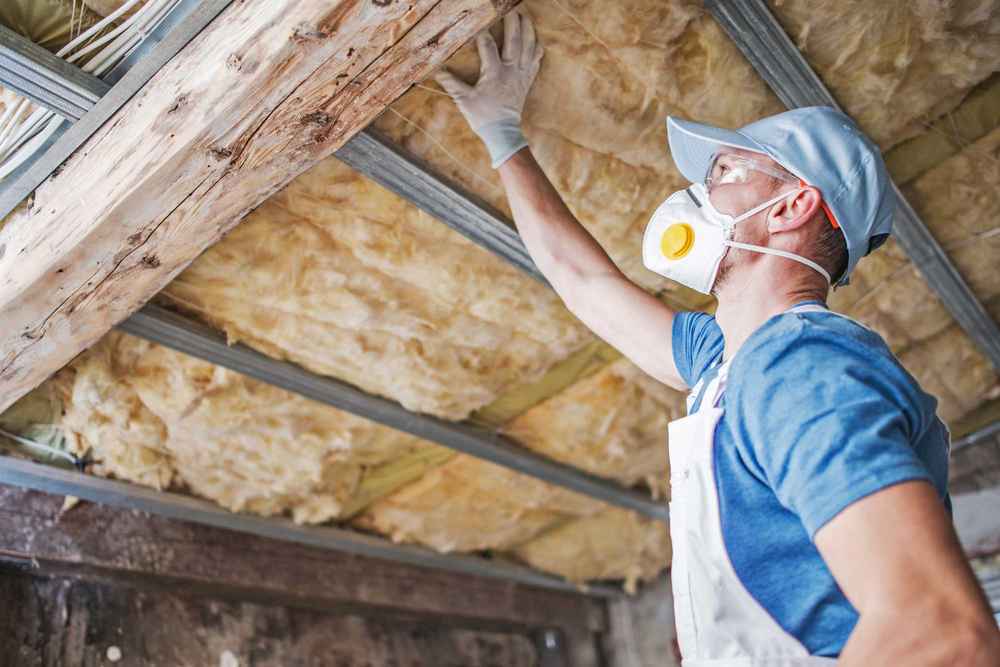
Why Is There Condensation in My Attic? (And Why It’s a Bigger Deal Than You Might Think)
Let’s say it’s a cold February morning in Bridgeville. You pop up into the attic to grab something and spot water droplets on the rafters. Maybe even frost. There’s a damp smell, and the insulation feels… not quite dry. At that point, your question is the same one we hear all the time:
“Why is there condensation in my attic?”
Here’s the short version. Condensation forms when warm, moist air meets a cold surface. In an attic, this usually happens when air from the living space below rises up, hits the underside of the roof, and turns into water. It might not seem like a huge deal at first. But over time, it can damage your insulation, rot out your roof decking, or grow mold behind your drywall.
In this post, we’ll walk you through:
- What causes attic condensation in Bridgeville homes
- What are signs of attic condensation (and how to spot them early)
- What to consider before you fix it
- How we actually solve this for homeowners
- What to do if you’re seeing symptoms now
If you’re noticing attic moisture, schedule a free inspection with New Look Exteriors. We’ll walk through it with you.
What Causes Condensation in an Attic?
Let’s Keep It Simple
Condensation happens when warm, humid air from inside your home rises and touches something cold. In the attic, that “something” is usually the underside of your roof. If your insulation isn’t doing its job or if the attic isn’t vented properly, that warm air hits the cold surface and turns to moisture.
Why It Happens More Often in Bridgeville
Homes in Bridgeville get hit with cold winters and humid summers. That’s a combination that pushes moist air up into the attic, especially in homes with older insulation, poor air sealing, or blocked ventilation. We also have a lot of homes that were built before current code standards for roof ventilation.
You might not even notice the problem at first. But over time, moisture builds up. And you start to see the signs.
What You Should Know Before You Fix It
Before anyone starts sealing or insulating anything, it helps to understand what’s really going on.
1. Moisture Usually Comes From Inside the House
Showers, laundry, cooking, even breathing — they all add moisture to the air. That air eventually rises. If it escapes into the attic and there’s no ventilation to carry it out, it condenses on cold surfaces.
2. It’s Not Always About Adding More Insulation
Sometimes more insulation helps. But if the attic isn’t properly sealed or ventilated, adding insulation won’t stop the condensation. It can even make the problem worse by covering up airflow issues.
3. Most Fixes Don’t Require Permits
Air sealing, insulation, and vent adjustments don’t typically need permits in Bridgeville. If structural changes are needed, we’ll walk you through any code requirements.
4. Accessibility Matters
Some attics are tight or packed with old insulation, ductwork, or wiring. That can change how we approach a fix. It also affects what’s realistic in terms of time and cost.
What Are Signs of Attic Condensation?
Not sure what to look for? These are the most common attic condensation signs we see during inspections:
- Water droplets or frost on rafters and nails
- Damp, sagging, or stained insulation
- A musty smell when you open the attic hatch
- Black streaks on the plywood (early signs of mold)
- Peeling paint or dark spots on the ceiling below
- Rust on metal components like HVAC ducts or nail heads
These clues usually show up gradually. The earlier you catch them, the easier and cheaper they are to fix.
How to Fix and Prevent Attic Condensation
Now let’s break down how we actually solve the problem. This is where experience matters. Throwing a fan in the attic or piling on insulation without a clear plan can make things worse.
Step 1: Improve Ventilation
Good airflow is key. In most homes, that means pairing soffit vents at the roof edge with ridge vents at the peak. Together, they let cooler, drier air flow in and push warmer, moist air out.
We often find soffits blocked by insulation or ridge vents that were never installed. Correcting this usually helps right away.
Step 2: Seal Air Leaks
You’d be surprised how much warm air leaks into the attic from below. Common leak points include:
- Attic access doors
- Recessed lighting
- Bathroom exhaust fans
- Chimney gaps and HVAC penetrations
We use foam sealant and weatherstripping to close off those gaps. It helps keep warm air where it belongs.
Step 3: Evaluate Insulation
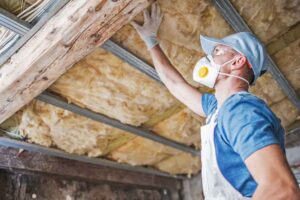
Insulation should keep warm air from reaching cold attic surfaces. If there’s not enough of it — or if it’s damp or compressed — it won’t work.
We usually recommend:
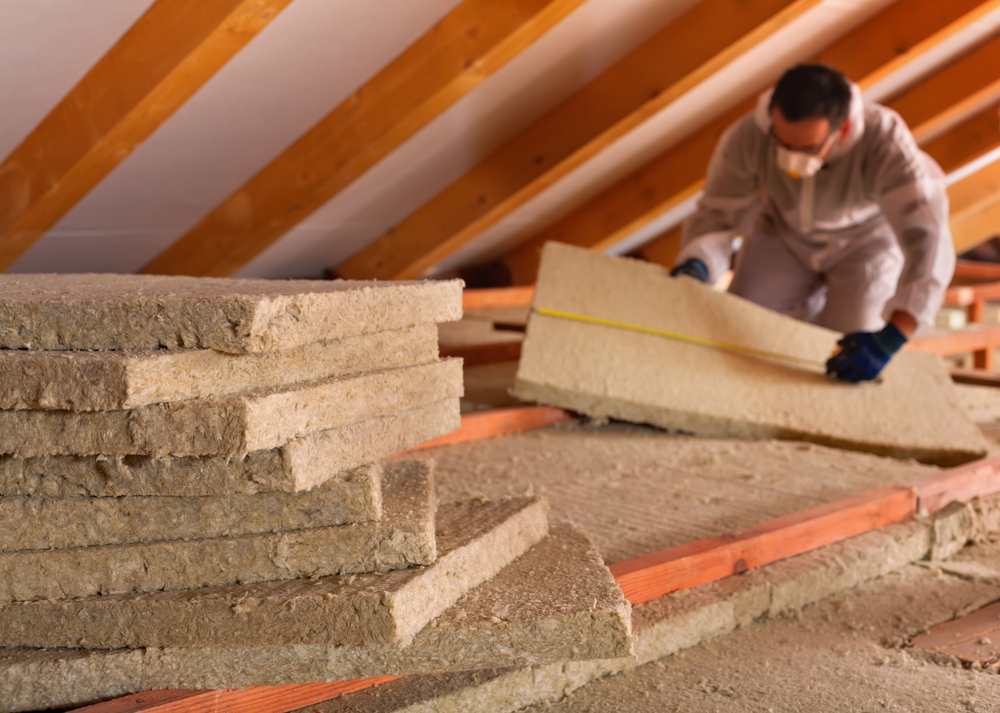
- Blown-in cellulose or fiberglass for most homes
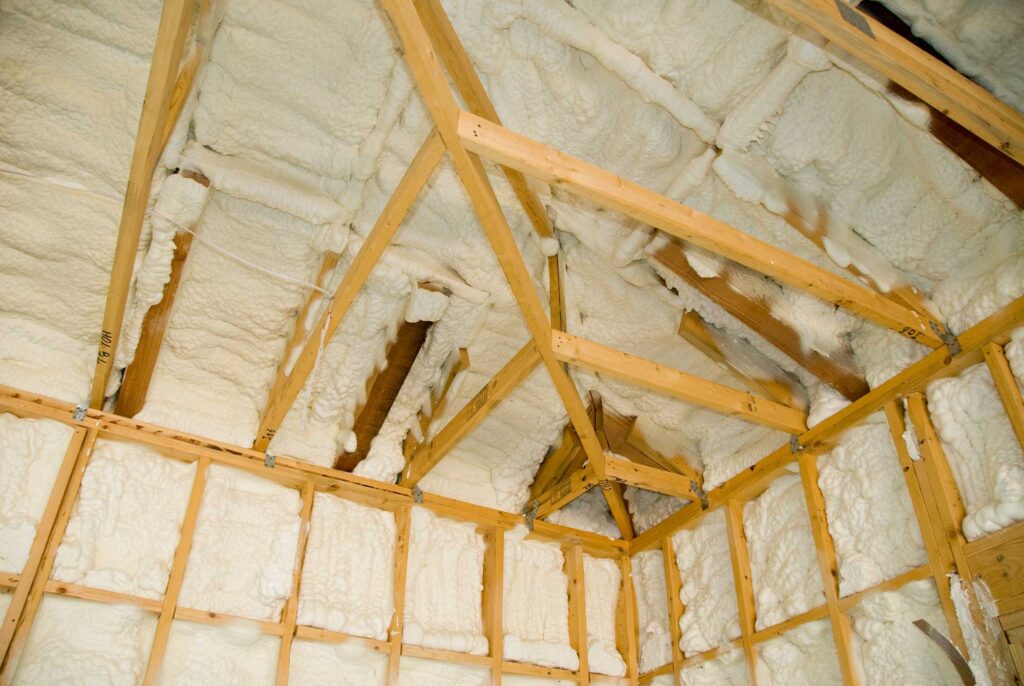
- Spray foam in more complex or high-humidity situations
The key is making sure insulation doesn’t block airflow at the eaves.
Step 4: Control Indoor Moisture
If you’re still getting condensation after sealing and insulating, the next step is checking indoor humidity. Sometimes the solution is as simple as running bathroom fans longer or venting a dryer outside.
How New Look Exteriors Helps Homeowners Fix This for Good
We’ve helped dozens of homeowners in the Bridgeville area solve attic condensation problems without guesswork or overbuilding.
What We Look at During an Inspection
- Is there a balanced system of intake and exhaust vents?
- Are there any blocked soffits or missing vents?
- How much insulation is there — and is it dry?
- Where is warm air leaking into the attic?
- Are there any visible signs of mold, rot, or ceiling damage?
We won’t just tell you it’s condensation and leave you hanging. We show you what’s happening, why it’s happening, and what can actually fix it.
Materials and Methods We Trust
| Solution | Purpose | Best For |
| Ridge + Soffit vents | Promote continuous airflow | Most homes with gable or peaked roofs |
| Spray foam | Air seal and insulate at once | Attics with irregular shapes or high humidity |
| Blown-in insulation | Cost-effective insulation | Open, accessible attic floors |
| Vapor barriers | Control upward moisture movement | High-humidity homes, paired with proper venting |
| Attic fans (only if needed) | Boost summer ventilation | Homes with low airflow and high attic heat |
Not every home needs every option. That’s why a detailed inspection matters.
Common Questions About Attic Condensation in Bridgeville Homes
If you’ve noticed moisture, frost, or a musty smell in your attic, you’re probably not the only one. Here are some of the most common questions we get from Bridgeville homeowners dealing with potential attic condensation issues.
Why is there condensation in my attic?
Condensation in your attic happens when warm, moist indoor air rises and hits cold attic surfaces. This is especially common during winter when the air inside is warm and the roof deck is cold. Poor ventilation or insulation usually makes it worse.
What are signs of attic condensation?
The most common signs of attic condensation include water droplets on rafters, frost on nails or wood, damp insulation, and a musty smell. These symptoms mean moisture is building up in the space and may already be causing damage.
Can attic condensation cause mold?
Yes, attic condensation can lead to mold if it isn’t addressed. Moisture creates the perfect environment for mold to grow on wood, insulation, and other surfaces, which can lead to bigger structural and air quality issues.
Should I replace my insulation if there’s condensation?
You should consider replacing your insulation if it’s wet, compacted, or no longer effective. But first, you’ll want to stop the source of the condensation through ventilation and air sealing so the problem doesn’t return.
Do attic fans help with condensation?
Attic fans may help reduce moisture in certain homes, but they aren’t always the right fix. Without proper intake ventilation or air sealing, they can actually pull more humid air into the attic and make the issue worse.
Who do I call for attic condensation problems?
You should call a contractor who understands roofing, insulation, and ventilation systems. At New Look Exteriors, we inspect the full attic system to find the root cause of moisture and recommend lasting solutions — not just quick fixes.
Final Take: Spot the Signs Early, Fix the Right Problem
If you’ve been asking why is there condensation in my attic, now you know it usually comes down to airflow, moisture control, and insulation. These aren’t one-size-fits-all fixes. But the problems are absolutely solvable when you take a smart, well-informed approach.
If you’re seeing attic condensation signs, don’t wait. That moisture can turn into mold, rot, or damage you’ll see in your living space.
New Look Exteriors offers free inspections, honest answers, and solutions that actually work. No pressure. No fluff. Just good work done right the first time.