When the first heavy rain seeps into your attic or a strong summer wind lifts a few shingles, many homeowners start asking two questions: “Is it time for a roof replacement?” and “How can I finance my roof without draining my savings?”
If you’re looking at a roof replacement in Bridgeville, you’re making a smart decision. But you’re also facing one of the bigger investments your home will see. That’s where roof financing comes into play—giving you flexibility and peace of mind instead of just making you anxious.
What you’ll walk away knowing
- Why financing your roof replacement can be a smart strategy—especially when you don’t want to delay.
- What “roof financing” means and the key terms you should understand.
- What you should do before applying for a loan or choosing a payment plan.
- An overview of top financing options—how they compare and which makes sense when.
- Why materials, warranties, and local weather should influence your financing decision.
If you’re ready to explore your options and get a local roof pro on your side, New Look Exteriors can help you evaluate the numbers and choose a plan that fits.
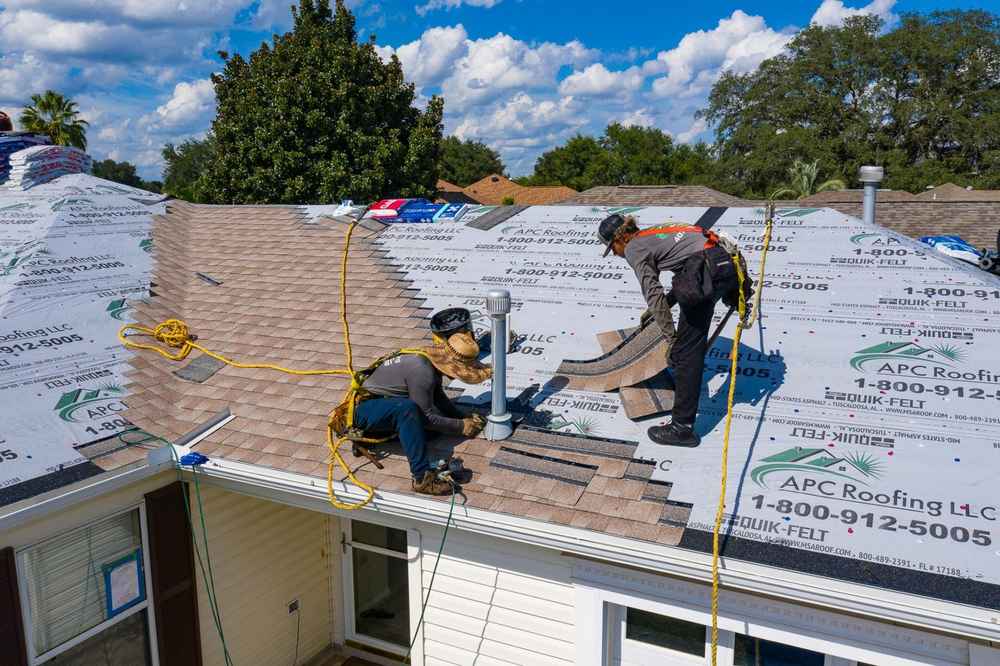
Why Financing Your Roof Replacement Matters in Our Area
The truth: a roof replacement isn’t just another project. It’s one of your home’s most critical upgrades. Your roof shields you from the elements, protects your insulation and attic, and keeps moisture out of your walls.
Here in Bridgeville and the surrounding region, roofs face special conditions:
- Winter snow and ice that can create ice dams and push against roofing materials.
- Spring and summer storms with wind and hail, which shorten the life of shingles.
- Temperature swings that cause expansion and contraction—stress for your roof system.
Because of this, a delay can turn a repairable issue into a full‑blown replacement. And that’s why ensuring you have a financeable solution matters: you don’t want to wait until damage forces your hand.
Roof Financing 101: What It Means and Why It Works
When you hear “roof financing,” think of spreading the cost of your roof replacement into manageable payments instead of paying everything upfront. It’s like treating your roof as a long‑term investment (because it is).
Key terms to know:
- Principal: The amount you’re borrowing for the roof.
- APR (Annual Percentage Rate): The real cost of your loan, including interest and fees.
- Term: How many years you have to pay it back.
- HELOC/Home Equity Loan: Uses your home’s value as security—often lower rates, more paperwork.
- Contractor payment plan: Roof‑specific financing offered through your contractor. Quicker access, built for this work.
What You Should Do Before You Finance Your Roof Replacement
1. Get Accurate Roof Estimates
Before financing, know exactly what you’re paying for. Get at least two quotes that include materials, labor, removals, warranty—all of it. Without this baseline, you’re flying blind.
2. Review Your Credit & Home Equity
Your financing rate and options depend on both. If you have solid home equity, a HELOC might be great. If not, maybe a contractor finance or personal loan works better.
3. Match Your Timeline to Your Needs
If your roof is leaking or badly damaged, speed matters. Secure quicker financing. If it’s nearing the end of its life—but not failing—you can take your time to pick the best option.
4. Choose Materials Wisely
Your financing should match your roof’s expected lifespan. If you pick a budget installation and take a long loan, you might pay for it after its useful life. Conversely, financing premium materials can make more sense in the long run.
Roof Financing Options: Your Guide to Choosing
Contractor Financing
Most reputable roofing companies—like New Look Exteriors—offer contractor financing through trusted lenders. These plans are designed specifically for roofing projects and often include promotional offers like no payments for 12 months or low fixed-interest options.
We partner with Service Finance Company, a nationally licensed lender that provides more than 50 flexible financing solutions for home improvement needs, including roofing.
Pros: Quick. Built for roofing. Minimal paperwork.
Cons: May come with shorter repayment terms or rate hikes after the initial period.
Home Equity Loan or HELOC
Borrow against your home’s value. These usually offer lower interest rates and longer terms.
Pros: Low rates. Predictable payments.
Cons: Your house is collateral. Approval takes longer.
Personal Loan or Credit Card
Unsecured credit that doesn’t tie to your home’s equity. Good for smaller replacements or repairs.
Pros: Fast access. No home equity needed.
Cons: Higher interest. Shorter terms. Larger monthly payments.
Insurance or Government Programs
If your roof was damaged by hail, wind, or other covered events, insurance might help cover a major portion. Some local government or energy programs may offer grants or incentives for energy‑efficient materials.
Pros: May reduce financing need.
Cons: Not available for age‑related replacements; add processing time.
Deep Dive: Why Roof Financing Isn’t Just About the Money
Making smart financing decisions goes beyond picking a payment plan. You’ll want to align your roofing materials, warranties, and local climate demands with the loan terms you choose. Here’s how it all fits together.
Choose Materials That Match Your Financing Plan
- Architectural shingles: Mid-range cost, 25–30 year lifespan
- Standing seam metal: Higher upfront cost, 40–50+ year lifespan
If you choose a 10-year loan and install a 40-year metal roof, you’re paying off the roof while it’s still in its prime—smart move. But if you finance a lower-cost shingle over a long term, you could still be paying after the roof has reached the end of its life.
Warranties Back Up the Investment
Top brands like Owens Corning offer 50-year non-prorated warranties. At New Look Exteriors, we pair that with up to 10 years of workmanship coverage. A solid warranty can make a financing plan more worthwhile, especially if it prevents future out-of-pocket repairs.
Local Weather Should Influence Your Choices
In Bridgeville, roofs need to hold up against:
- Snow and ice dams
- Heavy rainfall and drainage pressure
- High winds and freeze-thaw cycles
Choosing materials and installation methods that meet local demands helps your roof last longer—and protects your investment.
Pros and Cons of Roof Financing
Pros
- Take care of roof issues now—before they get worse
- Spread payments over time to protect your budget
- Finance higher-quality materials that last longer
Cons
- You’ll pay interest—so compare your options carefully
- Long loan terms may outlast lower-end roofing materials
- Home equity financing comes with risk if payments are missed
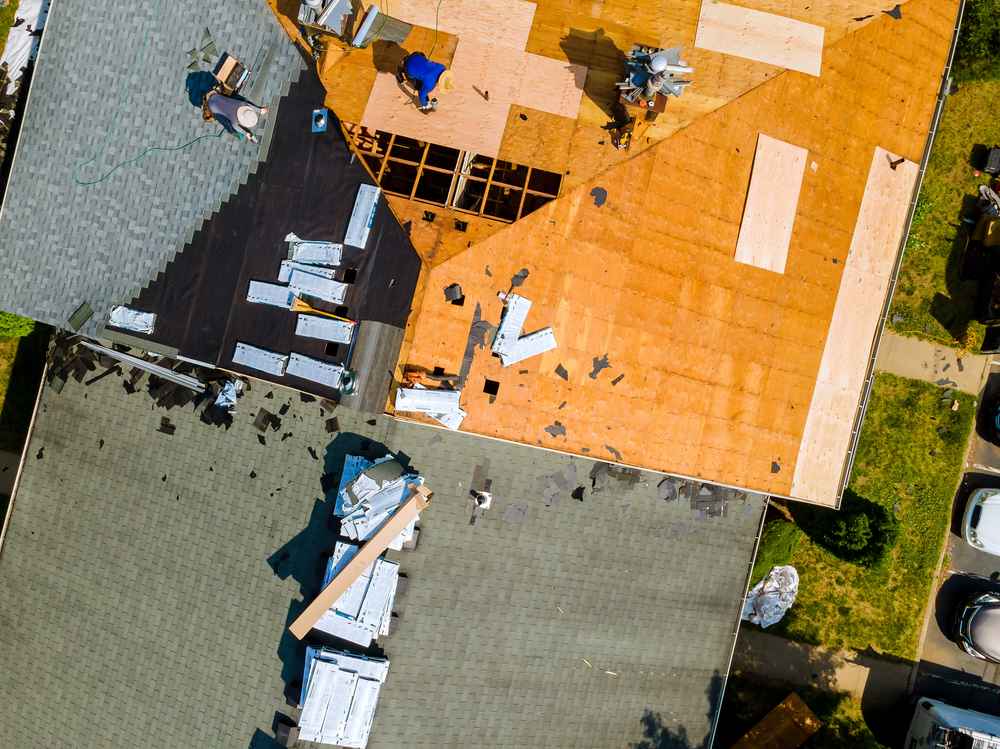
Roof Financing Questions Bridgeville Homeowners Ask Before Replacing a Roof
If you’re thinking about financing your roof replacement, you’re not alone. Many Bridgeville homeowners have the same questions before committing to a loan or payment plan. Here are the answers to the most common ones we hear.
How can I finance my roof without using all my savings?
You can finance your roof without tapping into savings by using a personal loan, contractor financing, or a home equity product. Many financing plans allow for low monthly payments, deferred interest, or no money down—depending on your credit and the lender’s terms.
What is the average cost of a roof replacement?
The average cost of a roof replacement in our area typically ranges from $7,000 to $12,000 or more. Final pricing depends on the size of your roof, the slope, materials used, and whether there’s existing damage to address.
Can I get roof financing with average credit?
Yes, you can usually get roof financing with average credit through contractor-backed programs or personal loans. While lower credit may lead to higher interest rates, many lenders still offer plans that make monthly payments manageable.
Will my insurance pay for part of my roof replacement?
Your insurance may pay for your roof replacement if the damage was caused by a covered event, such as wind or hail. Age-related wear and tear usually isn’t covered, so it’s a good idea to get a professional roof inspection before filing a claim.
Can I upgrade my roofing materials when using financing?
Yes, you can use roof financing to upgrade to higher-quality materials like architectural shingles or metal roofing. Financing can help spread out the added cost of better materials that last longer and offer stronger warranties.
How long should I finance a new roof?
You should finance your roof based on its expected lifespan and your budget. For example, if you install a 40-year metal roof, a 10-year financing term is a smart match. Shorter-lived roofs may be better suited to shorter loan terms.
When should I apply for roof financing?
You should apply for roof financing as soon as you have a detailed project estimate. This helps ensure you choose the right loan amount, term, and monthly payment structure for your needs.
Final Thoughts: Make Your Roof Financing Work for You
Financing your roof replacement doesn’t mean you’re taking on a burden—it means you’re investing smartly. You’re protecting your home, your budget, and your peace of mind.
At New Look Exteriors, we’ve helped homeowners navigate roof replacement projects with clear financing, strong materials, and reliable warranties. If your roof is nearing the end of its life or you’re facing storm damage, we know how to help.
Schedule your free inspection today and let’s guide you through a roofing upgrade—and payment plan—that fits your home and your future.