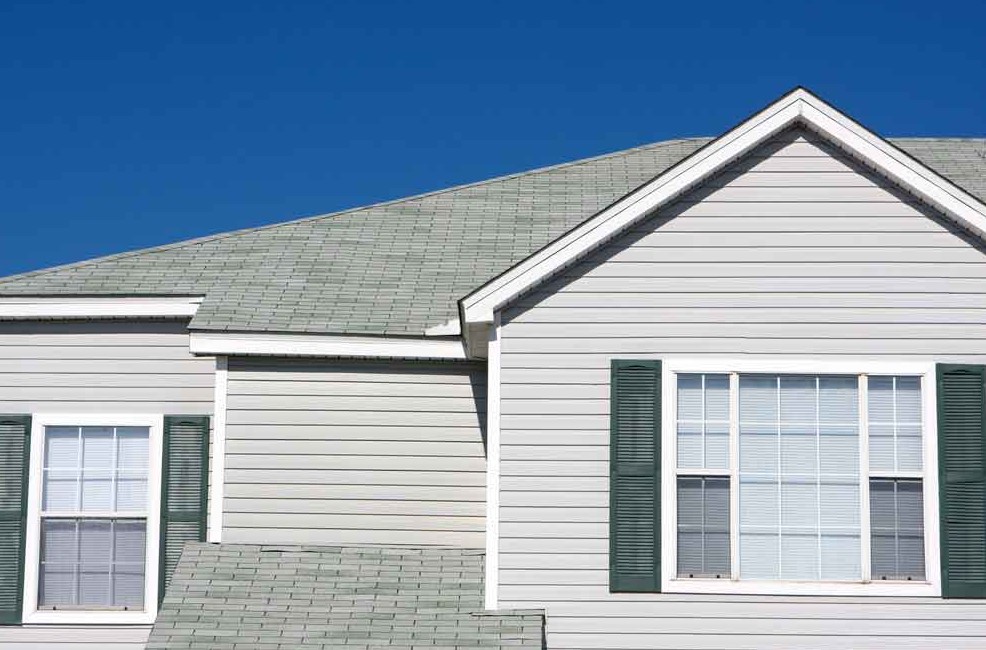
When you think about your roof, it’s easy to focus on the shingles, maybe the flashing, or whether your gutters are finally pulling away from the house (again). But one area most homeowners overlook—until something starts rotting or falling off—is the roof trim.
Trim includes your soffits, fascia, and rake boards, and it’s doing way more than just making your home look finished. These parts of your roof play key roles in protecting your attic from water, animals, and poor airflow.
If you’ve ever Googled “what are rake boards?” or “what’s the best fascia for my roof?”, then you probably found this blog while trying to get a clear answer. Consider this blog your straightforward, no‑fluff guide to what these components do, how they work together, and how to know when it’s time to repair or replace them.
In this guide, we’ll cover:
- What roof trim actually includes (and what it doesn’t)
- What soffits, fascia, and rake boards are—and why they matter
- How to spot damage before it gets expensive
- What materials hold up best over time
- When it’s worth updating or replacing your roof trim
Considering a roof update or trim repair in Bridgeville or the surrounding area? New Look Exteriors works with homeowners across the region to assess roof trim issues and recommend long-lasting, low-maintenance solutions that fit your home and budget.
Let’s Start with the Basics: What Is Roof Trim?
Roof trim is the collection of components that close off the edges of your roof and protect everything beneath it. These elements may not grab your attention right away, but they are vital to your roofing system’s performance.
Here’s what we’re talking about:
- Fascia: The vertical board that runs along the lower edge of your roof, where gutters are typically attached.
- Soffits: Horizontal panels under your roof overhang that help ventilate the attic and keep pests out.
- Rake boards: Trim pieces that cover the sloped sides of a gable roof—basically, the triangle edges you see on the front or back of the house.
Without trim, your attic would be fully exposed to water, animals, and air that doesn’t belong there. So yeah, it matters.
Before You Replace Anything, Know What You’re Dealing With
Roof trim might look simple, but it’s not something to rip out and replace without a plan. Here are the things you’ll want to think about before scheduling that repair—or even attempting a DIY job.
Budget: Know the Ballpark Numbers
Let’s cut to the chase—cost matters. Here’s what you can expect to pay for a roof trim update (average ranges):
- Fascia boards: $6–$10 per linear foot
- Soffits: $5–$12 per linear foot
- Rake boards: $8–$15 per linear foot
If you’re replacing everything, a full trim upgrade typically runs $1,200–$3,000 or more, depending on your home’s size and the materials you choose.
Ventilation & Code: It’s Not Just Aesthetic
If you’re replacing soffits, you can’t ignore airflow. Proper attic ventilation is code-required and crucial for preventing moisture buildup and attic overheating.
Most building codes call for 1 square foot of ventilation per 300 square feet of attic space. Vented soffits help you get there.
Material Choices: Match Performance to Budget
Here’s the quick rundown:
- Vinyl: Cheap, low maintenance, and great for soffits. But not the most rigid.
- Aluminum: Lightweight, doesn’t rot, holds up great for fascia.
- Fiber cement: Rock-solid option for rake boards—weatherproof and pest-resistant.
- Treated wood: Looks nice but needs regular sealing or painting to avoid rot.
Choosing the right material now means fewer repairs later. And fewer surprises on your ladder.
Understanding Each Part of Roof Trim (And Why It’s More Than Cosmetic)
Let’s break this down piece by piece. Each part of your roof trim has a specific job—and when one fails, it tends to take the others with it.
Fascia Boards: The Gutter Anchor and Water Barrier
Your fascia board supports the gutters and seals off the edge of the roof. It keeps water from sneaking into the decking, and when it fails, the consequences are obvious: sagging gutters, peeling paint, and wood rot.
If you’re wondering about the best fascia for your roof, aluminum is often the smart move. It doesn’t rust, requires very little maintenance, and blends cleanly with most exterior color palettes.
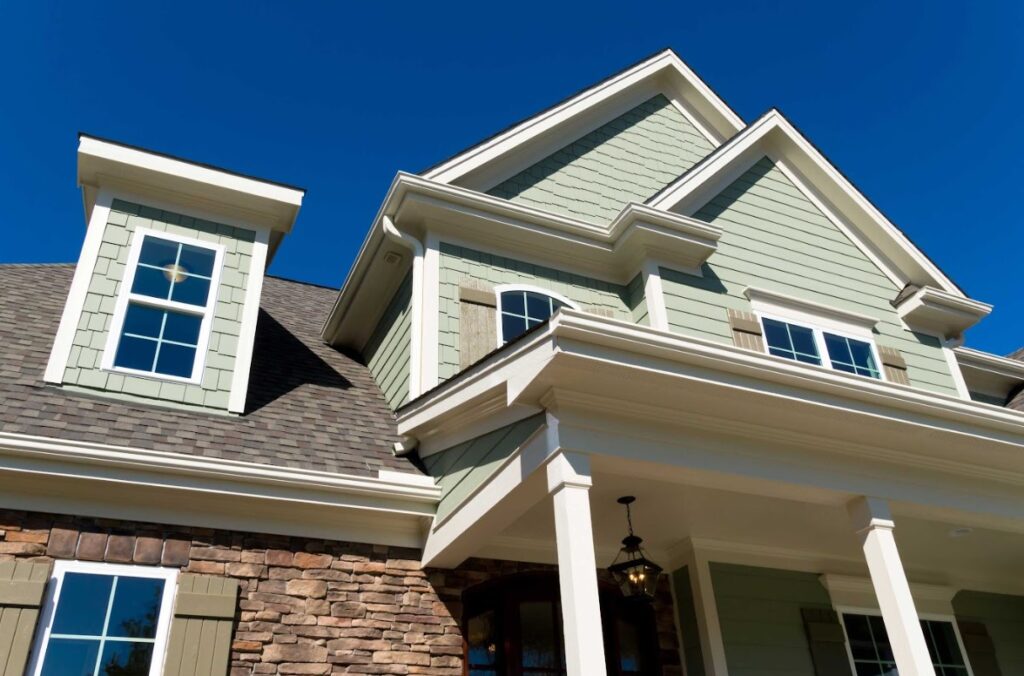
Soffits: The Quiet Ventilation System
Soffits cover the underside of your roof eaves and typically contain small vent holes. These vents pull in outside air and help keep your attic from turning into a sauna or mold box.
If your soffits are damaged or blocked, expect:
- Higher energy bills
- Risk of ice dams
- Poor air circulation (which can shorten the life of your roof insulation)
Look for discoloration, warping, or visible pests near your eaves—those are signs your soffits need attention.
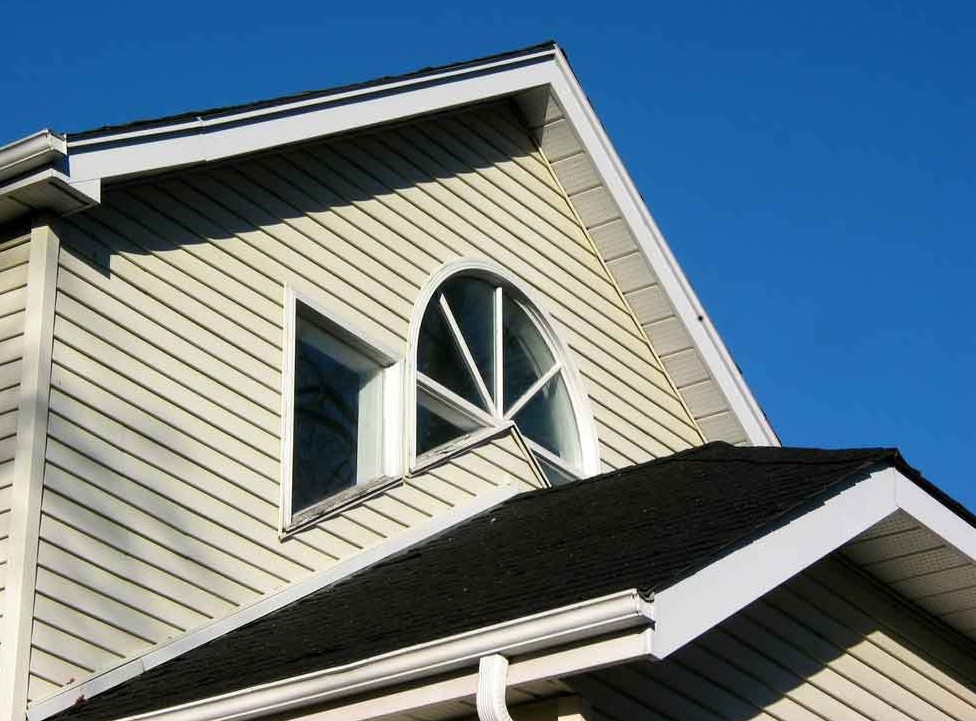
Rake Boards: The Unsung Edge Protectors
Rake boards run along the sloped sides of a gable roof. If you’ve seen peeling trim at the top front of a house, that’s probably a rake board that’s taken a beating.
These boards protect the edge of your roof deck from water and wind. Because of their angle and exposure, they’re often the first to wear out. We recommend fiber cement for longevity, especially if your roof gets full sun or heavy wind.
What Happens When Roof Trim Fails (And What to Watch For)
You don’t need to be a contractor to spot signs of failing roof trim. You just need to know what to look for—and when to take action before the damage gets worse.
Common Signs of Trouble:
- Peeling or bubbling paint along the roofline
- Gutters pulling away from the fascia
- Wasps or birds nesting near soffits
- Water stains or mold at the top corners of interior walls
- Warping or cracks in the trim boards themselves
Ignoring these issues can lead to rotted roof decking, poor ventilation, and in some cases—full roof edge rebuilds. That’s a lot of money you don’t need to spend if you catch it early.
Trim Materials That Actually Last (And Don’t Look Dated in 5 Years)
Here’s a quick table comparing your top options:
| Component | Recommended Material | Pros | Watch Out For |
| Fascia | Aluminum | Rust-proof, low maintenance | Dents if not properly installed |
| Soffits | Vented Vinyl | Easy to clean, affordable | Can warp in extreme heat |
| Rake Boards | Fiber Cement | Withstands weather, resists pests | Higher upfront cost |
Longevity isn’t just about materials—it’s also about how well it’s installed. At New Look Exteriors, we flash, seal, and fasten everything properly the first time, so your trim protects—not fails—in the next rainstorm.
Common Questions Homeowners Ask About Roof Trim Before a Repair
Not sure if your soffits, fascia, or rake boards need work? You’re not alone. Below are some of the most common questions we get from homeowners looking into roof trim repairs and replacements.
We’ve answered them clearly—so you can make more informed, low-stress decisions about your home.
What is the best fascia for my roof?
The best fascia for your roof is typically aluminum. It offers the right combination of strength, weather resistance, and low maintenance—especially if your gutters rely on it for support.
What are rake boards and where are they used?
Rake boards are trim boards installed along the sloped edges of a gable roof. They protect the exposed roof deck and underlayment from wind and water, and they help create a clean, finished look at the roofline.
Do soffits help with attic ventilation?
Yes, soffits help with attic ventilation by allowing fresh air to enter through the eaves. When paired with ridge or roof vents, they improve airflow and help prevent moisture buildup and ice dams.
How do I know if my roof trim needs to be replaced?
You’ll know your roof trim needs replacing if you notice signs like sagging gutters, peeling paint, rotting wood, or pest nests near your eaves. These issues usually point to moisture problems or failed trim protection.
Can I replace my roof trim without replacing the whole roof?
Yes, roof trim can be replaced on its own without a full roof replacement. In fact, it’s often a standalone project—unless your roof decking or shingles are also damaged or aging out.
Which material lasts the longest for roof trim?
The longest-lasting roof trim materials are typically aluminum for fascia, vinyl for soffits, and fiber cement for rake boards. These materials resist rot, moisture, and pests with little upkeep required.
Final Thoughts: Roof Trim Is Small but Mighty
Your roof trim may seem like a minor detail—but it’s doing a major job. From keeping pests out to protecting your attic and supporting your gutters, these components matter more than you think.
If your soffits are sagging, your fascia is rotting, or you’re just not sure what’s going on up there—don’t ignore it. Catching small issues now can save you a big expense later.
At New Look Exteriors, we install fascia, soffits, and rake boards with long-lasting materials, expert craftsmanship, and ventilation that meets code (and common sense).
Schedule your free inspection today and we’ll help make sure your roof trim is in the shape it needs to be.