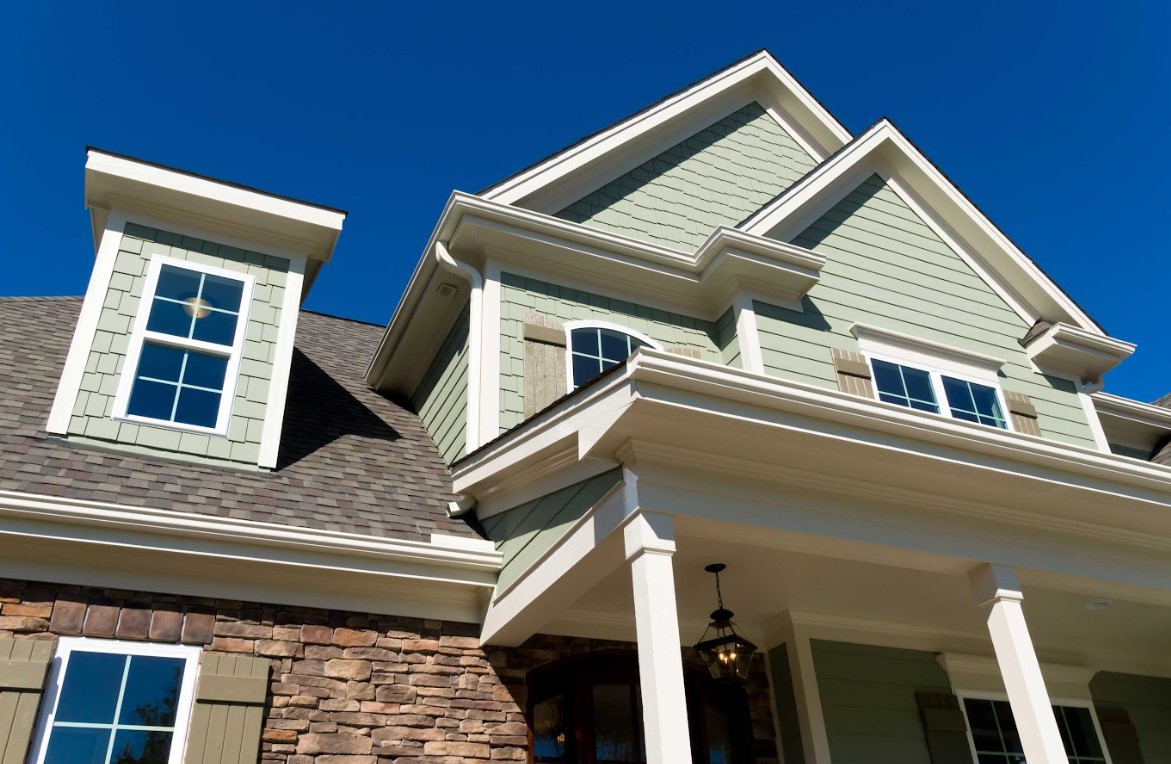
When you’re standing on your front porch this time of year in Bridgeville, watching the leaves swirl and the chill creep into your attic space, you don’t typically think about the underside of your roofline. But that panel under the overhang—the soffit—is doing a lot more for your home than you might assume.
If you’ve ever wondered, “What is soffit?” or “What soffit materials are best for my home?”—you’re not alone. And if you’re planning an exterior update or tackling ventilation issues, it’s spot‑on relevant. At New Look Exteriors, we help homeowners navigate these details all the time. This guide will walk you through what soffit actually is, what your material options look like, and which choices perform best in Bridgeville.
Key Takeaways
- Soffit is the underside panel of your roof’s eaves, essential for attic ventilation, moisture control, and pest prevention.
- The most reliable soffit materials in Bridgeville tend to be vinyl, fiber cement, and composite.
- Choosing the right soffit really affects how your roof system performs—and how much time and money you’ll spend later.
- Setup, installation, and compatibility with siding or roofing matter just as much as material choice.
Want help making the right call? New Look Exteriors can help.
Why Soffits Matter in Your Home Exterior
Let’s start with a simple question: What is soffit? In plain terms, soffit is the finished surface covering the underside of your roof’s overhang. But more importantly, it’s also a critical access point for attic airflow, moisture escape, and keeping pests out.
Why This Matters in Bridgeville
In Bridgeville and the surrounding area, we face full‑scale seasons: cold winters with snow and ice, humid springs, and stormy days with wind and rain. Here’s how soffits play a role:
- Proper soffit panels (especially vented ones) help your attic breathe and reduce the chance of mold or mildew from trapped moisture.
- Well‑installed soffit helps support roofing systems in their fight against ice dams, which are frequent given our winter climate.
- Since your roofline is vulnerable to gaps where critters or moisture can get in, clean soffit means fewer worries about pests or rot.
In short: soffits don’t just finish a look—they contribute directly to how your roof and attic perform.
Pre‑Installation Checklist: What You Need to Know
Before you pick your material, here are a few things worth thinking through. Considering these ahead of time helps you choose the right product and avoid surprises.
- Budget – Materials and install costs vary widely. Soffit panels may cost just a few dollars per linear foot or much more depending on finish and complexity.
- Ventilation & Code Compliance – Your attic design and local building codes play a big role. In Allegheny County, proper air flow is required for attic space, so you’ll want vented panels or a combination.
- Material Durability – Given Bridgeville’s climate, you want something that stands up to freeze‑thaw cycles, moisture and wind.
- Maintenance Expectations – Some soffit materials are “install and forget,” others need ongoing care. Decide how much upkeep you’re willing to commit to.
- Aesthetic Fit – Think about how the soffit material pairs with your siding, roof and trim. Matching everything visually improves your curb appeal.
Panel Designs for Soffits: Understanding Your Options
Not all soffits are built the same. The design of the panel affects appearance, cost and function—especially when you’re aiming for the right external look and the right internal performance.
Vented Soffits
These have slots or perforations to let cooler air enter the attic and warmer, moist air escape. They’re the go‑to design for homes with standard roofing systems—such as both asphalt shingles and metal roofs that we install at New Look Exteriors.
Insulated Soffits
These are built with a thermal component—foam or extra backing—so you get additional attic insulation through the soffit system itself. Useful if you have a finished attic or want your HVAC to run less.
Continuous Soffits
Long, uninterrupted panels that create a clean, seamless look along the eaves. Fewer joints mean fewer weak points, but they typically cost a bit more.
Individual Soffit Panels
Modular pieces that can be installed or replaced in smaller segments. Excellent for complex rooflines or when you’re only replacing part of the system.
What Soffit Materials Are Best for Your Home Exterior?
Choosing which soffit material is best comes down to your home’s style, climate demands and how much maintenance you’re willing to do. Here are the most common materials we recommend—and how they stack up for Bridgeville homes.
Vinyl Soffits – Highly Recommended
Affordable, durable, and low‑maintenance. Vinyl holds up well in our region—even with snow, ice and humidity. It resists warping, peeling or rotting, which is a major plus if you’d rather avoid ongoing work. Typically, you’ll get 20+ years of good performance.
Fiber Cement Soffits – Premium Option
Want something built to last and with a high‑end look? Fiber cement delivers. It’s fire‑resistant, moisture‑resistant and can mimic painted wood without the upkeep. It’s a bit more expensive up front, but many homeowners consider it a smart investment for the long term.
Composite Soffits – Versatile Choice
These are engineered materials—either blended wood‑fiber or high‑grade synthetics—that give you both strength and the possibility of a custom finish. Requires slightly more upfront investment, but offers great value for homeowners seeking durability and a clean finish.
Wood Soffits – Historic Appeal, Higher Maintenance
Natural wood soffit looks beautiful—especially on older or restored homes—but here in Bridgeville, wood is prone to rot, pests and moisture damage. If you go this route, expect more maintenance and a shorter lifespan.
Aluminum & Steel Soffits – Less Common for Residential Here
Aluminum is lightweight and rust‑resistant—great for humid or coastal zones, but overkill for most Bridgeville homes. Steel is even heavier duty, used more in commercial settings. We don’t typically recommend these for standard residential projects in our region.
Side‑by‑Side Material Comparison
Material | Typical Cost | Maintenance Level | Best For | Estimated Lifespan |
Vinyl | Low | Very Low | Most Bridgeville homes | 20–30 years |
Fiber Cement | Mid | Low | Premium builds, hardie siding | 40–50 years |
Composite | Mid | Low | Custom look, high performance | 25–35 years |
Wood | Mid | High | Historic homes, restoration work | 10–15 years |
Aluminum | High | Low | Coastal/humid climates | 25–30 years |
Steel | Very High | Low to Moderate | Commercial or extreme wind zones | 30–40 years |
How to Choose the Right Soffit for Your Home Exterior in Bridgeville
Here are a few practical steps to make choosing easier:
1. Consider your house’s style.
If you have a vinyl‑sided home, vinyl soffit often blends seamlessly and keeps costs down. If you upgraded to Hardie siding or want a premium look, fiber cement or composite might be a better match.
2. Think about the climate.
Bridgeville sees a lot of seasonal stress—snow, ice, humidity, wind. You’ll want something resistant to all of that. Vinyl, fiber cement and composite are strong choices here.
3. Long‑term maintenance.
If you prefer “install and forget,” go low‑maintenance. If you don’t mind some upkeep and love wood aesthetics, then wood might work—just know what you’re signing up for.
4. Match materials across your exterior.
Since soffit connects visually and functionally to your siding and roofing, it helps to make sure anything new you install fits the overall design and performance of your home.
Learn how new siding can complement your soffit installation »
Maintenance Tips for Your Soffit and Roofline
Getting the right material is half the battle—maintaining it is the rest.
- Clean your soffit vents and panels once or twice a year—especially if you have trees near the house.
- Make sure your gutters are clear. Overflow or backed‑up water can damage soffit and fascia.
- Inspect the soffit annually for signs of damage—sagging panels, animal entry points, or stains are red flags.
- Re‑seal caulk or joints as needed and keep adjoining fascia in good condition.
If you’re thinking of doing a full roofline update—soffit, fascia, gutters together—check current gutter pricing for comprehensive budgeting »